

A homeowner with a burst pipe or a prospective client facing a legal deadline is not researching marketing channels. They are searching for a credible local provider and calling the business that looks ready to help. This Google Local Services Guide explains how to compete for that high-intent demand without treating Local Services Ads as a set-it-and-forget-it lead source.
For service businesses and law firms, Google Local Services Ads can place your company above traditional search ads and organic listings when eligible prospects search in your service area. But visibility alone does not create revenue. Your response speed, intake process, lead quality controls, and reporting determine whether the channel produces profitable cases and jobs or another stack of missed calls.
What Google Local Services Ads Actually Do
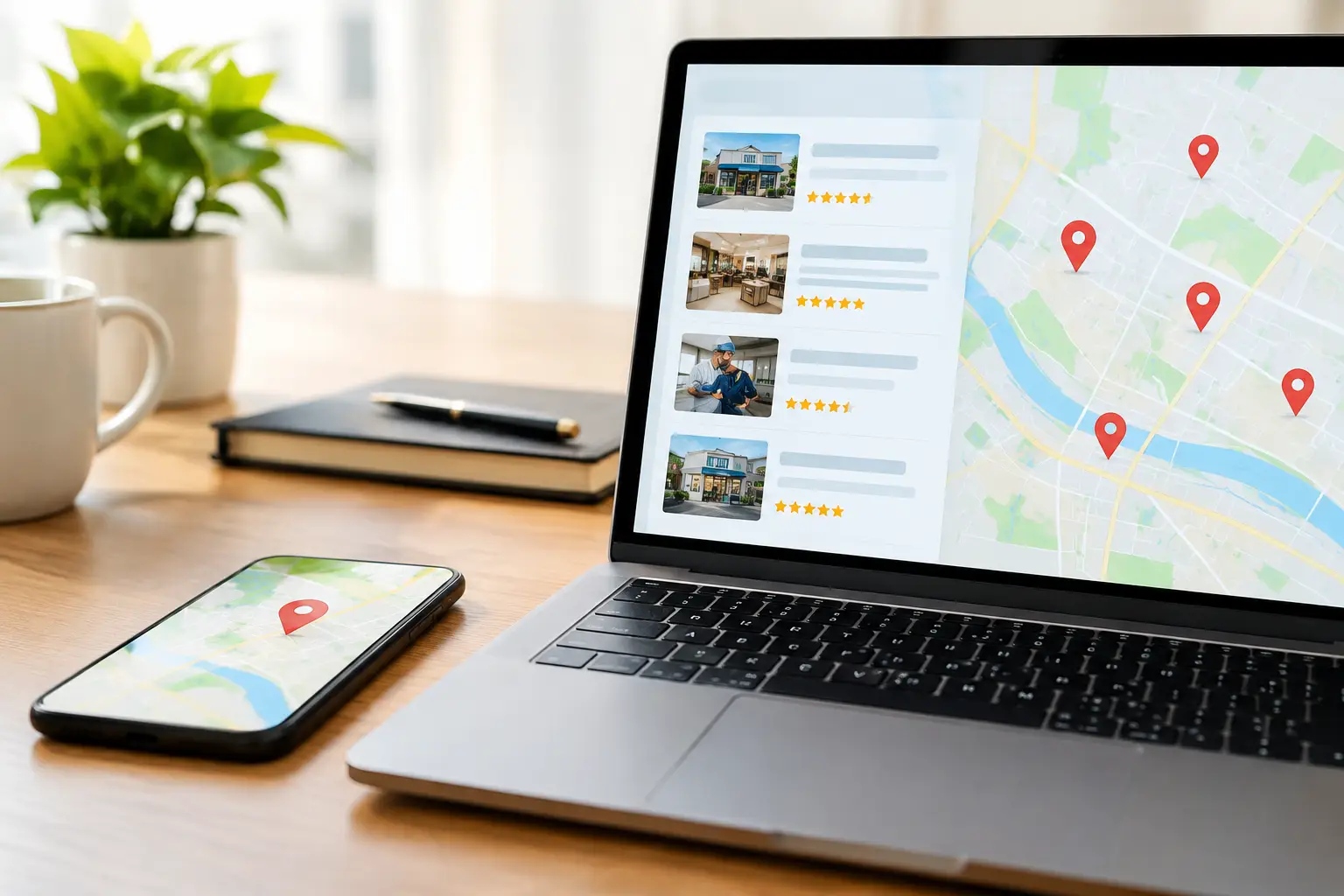
Google Local Services Ads, often called LSAs, are designed for businesses that serve customers locally. Depending on your category and location, the ad may display your business name, review rating, hours, phone number, service area, and a Google screening badge. Searchers can call, send a message, or sometimes request a booking directly from the ad.
The core difference from standard Google Search ads is the pricing model. LSAs generally charge per lead rather than per click. That sounds simpler, but it changes the management question. Instead of asking, “What did a click cost?” you need to ask, “What percentage of paid leads became qualified conversations, appointments, signed clients, or completed jobs?”
That distinction matters when one retained legal matter is worth $8,000 and another is not a fit at any price. It also matters when a home-service company can only handle a certain service radius or has crews booked for the next two weeks. Google can generate demand. Your business still has to convert it.
Google Local Services Guide: Start With Eligibility
Not every service category, practice area, or market has the same Local Services Ads availability. Google determines which industries and regions qualify, and requirements can include business verification, insurance documentation, professional licensing, and background checks. The exact requirements vary by category.
Treat the onboarding process as a trust and compliance project, not administrative busywork. Incomplete documentation can delay activation. Inconsistent names, addresses, licenses, or phone numbers can create approval problems and make it harder to maintain a clean local presence across search.
Before budgeting for LSAs, confirm four practical points: your category is available, your business can meet verification requirements, your service area is accurate, and you have the staff to answer inquiries during the hours you advertise. If any one of those is weak, increasing ad exposure can amplify an existing operational leak.
For law firms, be especially careful with jurisdiction, practice-area eligibility, intake policies, and advertising rules. A lead that is not actionable in your state or does not match the firm’s practice focus should not be counted as a marketing win.
Build a Profile That Wins the Call
Once approved, your profile competes in a compressed space. Searchers compare a few signals in seconds: rating, review volume, availability, location relevance, business hours, and how clearly your services match their need.
Start with category and service selection. Do not select every possible service simply to chase volume. A broad profile can invite irrelevant leads, consume your team’s time, and distort performance data. A focused personal injury firm should prioritize the case types it can profitably handle. A plumber should not present itself as an emergency specialist if nobody answers emergency calls after 5 p.m.
Your service area should reflect where you can actually deliver a strong customer experience. Larger coverage does not automatically mean better growth. Expanding from a 15-mile radius to 50 miles may add calls, but drive time, scheduling friction, lower close rates, and higher operational costs can erase the value of that extra demand.
Reviews carry unusual weight because Local Services Ads are built around trust. Build a consistent review-request process after successful matters and completed jobs. Do not pressure unhappy customers, offer prohibited incentives, or chase volume at the expense of authenticity. A steady flow of detailed, legitimate reviews is more valuable than a one-time burst that stalls for six months.
Set a Budget Around Capacity and Economics
The right LSA budget starts with unit economics, not with the largest number Google suggests. Calculate the value of a qualified lead based on your actual sales data.
For example, a family law firm may find that 40 percent of screened calls become consultations, 50 percent of consultations retain, and the average initial matter produces $4,000 in revenue. A local HVAC company may track booked estimates, close rate, average ticket, gross margin, and repeat business. The numbers will differ, but the discipline is the same: work backward from profitable acquisition cost.
Use this formula as a management baseline:
Maximum cost per lead = acceptable cost to acquire a client × lead-to-client conversion rate
If you can spend $1,000 to acquire a new client and one in five LSA leads becomes a client, your maximum sustainable cost per lead is $200. That is not a bidding recommendation. It is a guardrail. Your target should usually be lower to leave room for sales labor, fulfillment costs, overhead, and profit.
LSAs may offer different bidding and budget settings depending on the market. Automated options can be useful, especially when Google has sufficient data, but automation is not a substitute for oversight. Begin with a controlled budget, observe lead quality and close rates, then increase spend where the economics hold. A higher lead count is not progress if cost per acquired client rises faster than revenue.
Speed to Lead Is the Conversion Lever Most Businesses Ignore
The business that answers first often wins, even when it is not the cheapest or highest rated. Local Services leads are typically urgent. If an inquiry reaches voicemail, waits for a callback, or receives a generic text hours later, the prospect has already contacted competitors.
Set clear ownership for LSA inquiries. Calls should be answered by trained staff, not routed into a general queue where they compete with every other office task. Messages need a response standard measured in minutes, not the next business day. After-hours coverage matters for emergency services, and it can matter for law firms whose prospective clients search outside work hours.
Train intake staff to qualify without interrogating the prospect. They need to confirm service need, location, urgency, basic fit, and the next action. That next action should be specific: an appointment time, a scheduled consultation, an estimate window, or a clear handoff to the appropriate team member.
This is where many otherwise successful campaigns lose sales value. Marketing reports a lead. Operations sees a missed call. Sales never gets a real opportunity. A connected acquisition system records the source, response time, disposition, appointment status, and final revenue so leaders can see the full path from search to client.
Protect Lead Quality Without Gaming the System
Some Local Services leads will be irrelevant, outside your service area, duplicate inquiries, spam, or requests for services you do not offer. Google may allow disputes for certain invalid leads, subject to its current policies and review process. Review leads promptly and document the reason for every dispute.
Do not use lead disputes as a way to avoid paying for legitimate inquiries that were simply difficult to close. A real prospect who chooses a competitor, has a smaller budget, or declines your recommendation is still valuable market feedback. If those outcomes happen frequently, investigate your offer, response time, pricing communication, reviews, and intake process before blaming the channel.
A useful tracking framework separates lead validity from sales quality. A valid lead reached by your team may not become a qualified opportunity. A qualified opportunity may not become a client. Each stage reveals a different problem. Conflating them leads to bad decisions, such as cutting a profitable campaign because the front desk failed to follow up.
Measure Revenue, Not Just Local Services Leads
The LSA dashboard can show calls, messages, bookings, cost, and dispute activity. That is necessary reporting, but it is not enough for a growth-focused business. Connect lead records to your CRM or intake system whenever possible, and apply consistent outcome labels.
Review performance monthly by service type, geography, daypart, lead source, team member, and final revenue. A campaign that appears expensive at the lead level may produce the highest-value matters. Another may generate cheap inquiries that consume hours of staff time and never convert.
Look for patterns that point to action. Low answer rates call for staffing or routing changes. High inquiry volume but low appointment rates points to intake friction. Strong appointment rates with weak close rates may reveal pricing, sales process, or fit issues. Strong close rates and limited volume can justify more budget, more reviews, or a broader service area.
Local Services Ads also work best as part of a complete local acquisition strategy. Your Google Business Profile, organic local visibility, standard search campaigns, landing pages, retargeting, and follow-up system should reinforce one another. LSAs can create immediate demand, but they should not be the only channel standing between your business and an inconsistent month.
The Client Factory approaches this through the full funnel: identify where qualified prospects drop off, strengthen the conversion path, and scale only when the numbers support it.
Before you raise your LSA budget, listen to five recorded lead calls and trace each one to an outcome. That small exercise will tell you more about your growth ceiling than another month of surface-level lead reports.