
Marketing automation uses software to handle repetitive marketing tasks for you. Instead of manually sending every email, posting on social media, or following up with leads, the software does it automatically based on rules you set. Think of it as having a tireless assistant who remembers to nurture prospects, send timely messages, and track customer behavior without you lifting a finger.
This guide breaks down everything you need to know about marketing automation. You’ll learn why it matters for service businesses, how to get started without overwhelming your team, and see real examples of automated workflows that convert prospects into clients. We’ll also cover how to integrate automation into your client acquisition funnel and share practical tips to avoid the mistakes most businesses make when they’re starting out. By the end, you’ll have a clear roadmap for implementing marketing automation that actually drives results.
Why marketing automation matters for service businesses
Service businesses face a unique challenge that product companies don’t: you sell time and expertise, not physical inventory. When a potential client reaches out at 9 PM or downloads your guide on a Saturday, you can’t respond immediately. Marketing automation solves this by keeping prospects engaged 24/7 without requiring your team to work around the clock. It ensures every lead gets a timely response, whether they contact you on Tuesday afternoon or Sunday night.
You can’t manually scale personal outreach
Your calendar only holds so many appointments. Manual follow-up becomes impossible as your lead volume grows because you’re already maxed out with client work. Marketing automation handles the repetitive nurturing tasks that turn cold prospects into warm leads, so you can focus your energy on closing deals and serving clients. You set up the system once, and it runs continuously without adding hours to your workday.
When you understand what is marketing automation and implement it correctly, you free your team from repetitive tasks while maintaining the personal touch that converts prospects.
Every missed follow-up costs you money
Research shows that responding within five minutes increases your chances of qualifying a lead by 21 times compared to waiting 30 minutes. Yet most service businesses take hours or even days to follow up because they’re busy with existing clients. Automation eliminates these delays by instantly sending personalized messages based on prospect behavior. You capture more leads, nurture them consistently, and convert them at higher rates because no opportunity slips through the cracks.
How to get started with marketing automation
You don’t need to automate everything at once. Start small with one workflow that solves your biggest bottleneck, whether that’s following up with new leads or nurturing prospects who aren’t ready to buy. Most service businesses get overwhelmed because they try to implement complex multi-channel campaigns before mastering the basics. Pick the single most repetitive task that eats up your team’s time and automate that first.
Start with one simple workflow
Your first automated workflow should take less than an hour to set up and deliver immediate results. A welcome email series for new subscribers works perfectly because it’s straightforward and gives prospects valuable information automatically. You create three to five emails that introduce your business, share helpful resources, and guide leads toward booking a consultation or making a purchase. Once this runs smoothly, you’ll understand what is marketing automation in practice and can build from there.
The biggest mistake is trying to automate everything at once instead of starting with one workflow that solves your most pressing problem.
Choose the right platform for your needs
Different businesses need different features, so match the tool to your actual requirements instead of buying the most expensive option. If you only need email automation, basic platforms handle that well without requiring a degree in computer science. Service businesses that want to track lead scoring, segment audiences, and integrate with a CRM need more robust platforms. Test a few options with free trials before committing, and make sure your team can actually use the interface without needing constant technical support.
Map your customer journey first
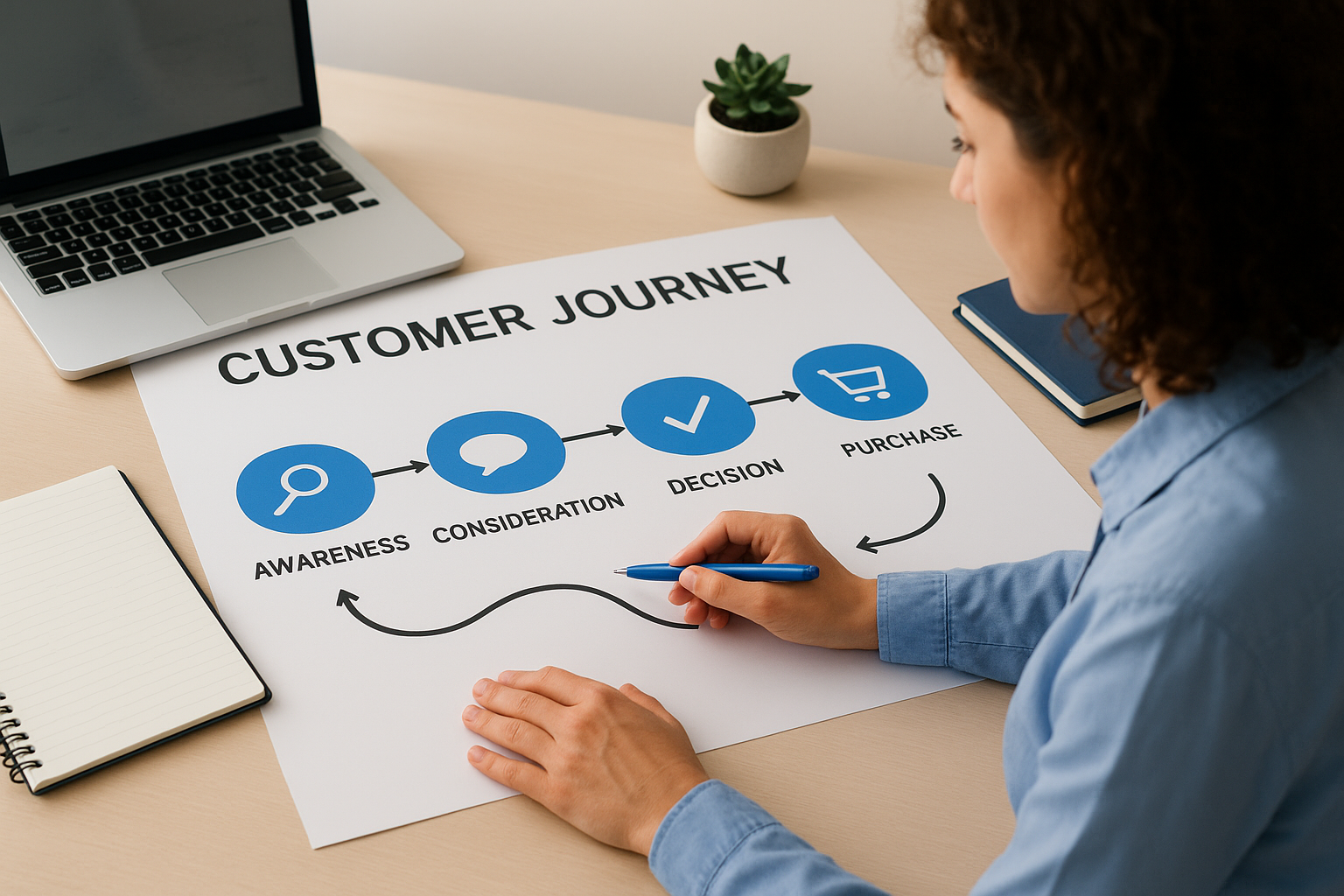
Automation only works when you understand how prospects move from awareness to purchase. Document every touchpoint where someone interacts with your business, including website visits, content downloads, email opens, and consultation requests. This map shows you exactly where automation makes sense and where human interaction matters more. You might automate initial follow-ups but keep discovery calls personal, or automate appointment reminders while manually handling objections and contract negotiations. The goal isn’t to remove yourself entirely but to focus your time where it creates the most value.
Common marketing automation examples and workflows
Real marketing automation becomes clear when you see specific workflows in action. These examples show exactly how businesses use automation to stay connected with prospects without manually sending every message. Each workflow targets a different stage of the customer journey, from the first interaction to repeat purchases. Understanding these patterns helps you recognize which ones solve your biggest challenges and deliver the fastest results.
Welcome email sequences
When someone subscribes to your list or downloads a resource, a welcome sequence introduces your business automatically. The first email arrives within minutes, thanking them and delivering what they requested. Email two arrives a day later, sharing your most popular content or a customer success story. Email three follows two days after that, offering a consultation or next step. You write these emails once, and the system sends them to every new subscriber without you touching anything. This keeps prospects engaged during those critical first few days when interest runs highest.
A well-designed welcome sequence converts up to 320% better than standalone emails because it builds trust through consistent, timely communication.
Abandoned action follow-ups
Prospects who start but don’t finish an action signal high purchase intent, making them perfect candidates for automated follow-up. Someone who fills out half your contact form but doesn’t submit it receives a reminder email asking if they need help. A prospect who views your pricing page three times gets a message offering to answer questions. Another lead who schedules a consultation but doesn’t show up receives a sequence that reschedules automatically and addresses common objections. These workflows recover revenue that would otherwise disappear because they react to specific behaviors instead of treating all prospects identically.
Lead nurturing campaigns
Not everyone buys immediately, so nurturing campaigns keep your business top of mind with educational content. You segment leads based on their interests and send relevant articles, case studies, or guides every few days. Someone interested in what is marketing automation for law firms receives legal-specific examples and templates, while a general service business owner gets different content. The system tracks engagement and adjusts the sequence based on who opens emails and clicks links. After several touchpoints, prospects who show high engagement get routed to sales for personal outreach, while others continue receiving automated content until they’re ready.
Event-triggered messages
Specific dates or milestones trigger automated messages that keep clients engaged beyond the initial sale. You set up birthday emails offering special discounts or personalized messages that strengthen relationships. Anniversary emails remind clients they’ve worked with you for a year and suggest next steps or additional services. Renewal reminders go out automatically before contracts expire, reducing churn because clients never forget to renew. Review request emails send after project completion, collecting testimonials while satisfaction runs high. These workflows maintain momentum with existing clients, turning one-time buyers into repeat customers and referral sources without requiring constant calendar management.

Re-engagement campaigns
Prospects and clients who go silent receive automated sequences designed to restart the conversation. Someone who hasn’t opened your emails in 60 days gets a re-engagement message asking if they still want to hear from you. Inactive clients who haven’t purchased in six months receive a “we miss you” email with a special offer. Past leads who didn’t convert initially get new case studies showing recent results. These campaigns either revive cold contacts or remove unengaged subscribers from your list, improving deliverability and focusing your efforts on people who actually care.
Using marketing automation in your client funnel
Your client acquisition funnel relies on consistent follow-up and timely communication at every stage. Marketing automation integrates directly into this funnel, handling the repetitive tasks that move prospects from awareness to decision. Instead of manually tracking where each prospect sits in the journey, the system monitors their behavior and responds automatically based on the actions they take. This ensures no lead falls through the gaps while you focus on delivering results for existing clients.
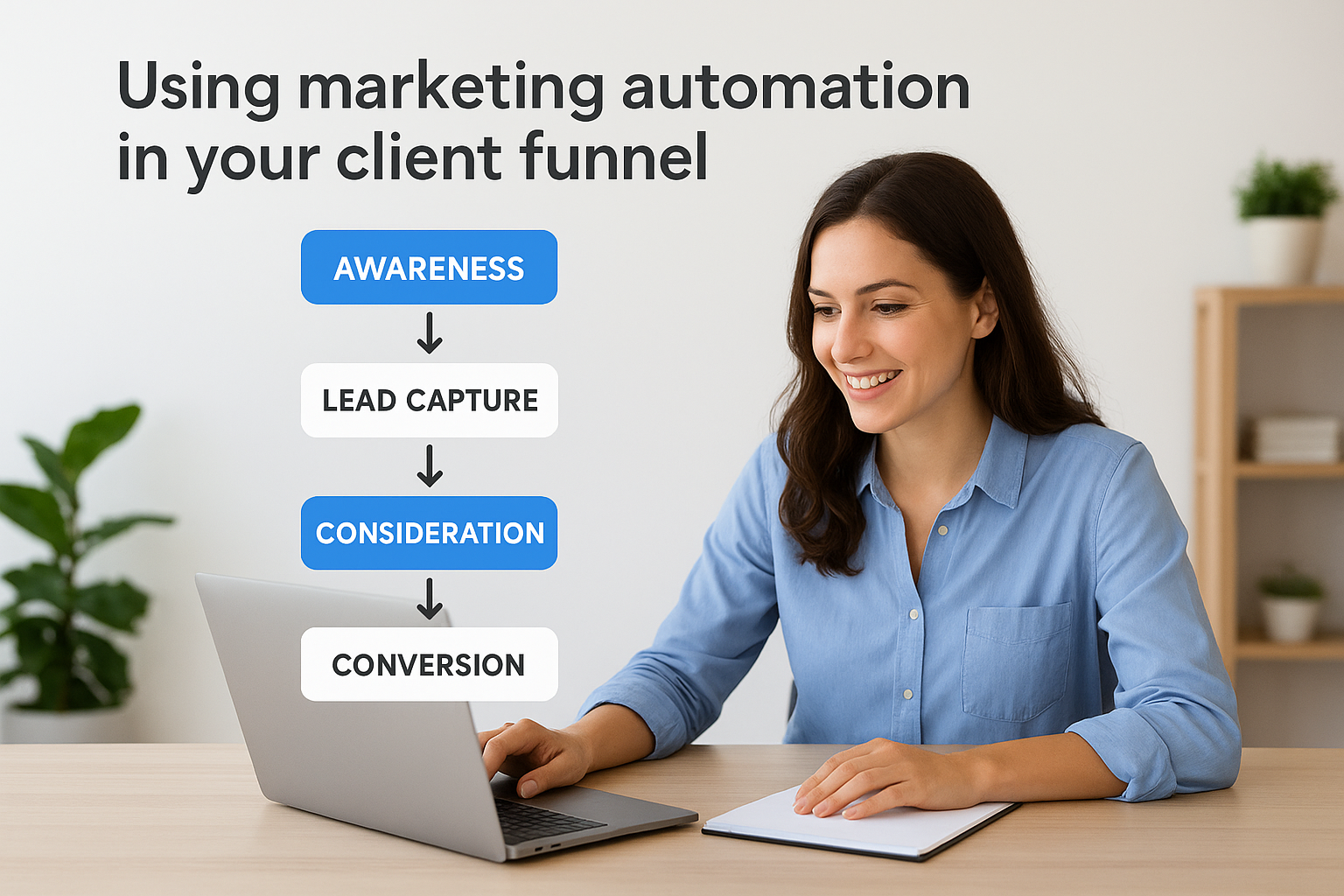
Automating awareness and lead capture
The top of your funnel attracts strangers who need to learn about your services. Automation captures lead information through forms and landing pages, then immediately sends the promised resource plus a welcome message. When someone downloads your guide or watches your video, the system tags them based on their specific interest and starts a relevant nurture sequence. You collect contact details and begin building trust without manually sending each resource or tracking who requested what.
Moving prospects through consideration
Prospects in the middle of your funnel need education and proof before they’re ready to buy. Your automation sends case studies, testimonials, and detailed service explanations based on which content they’ve consumed. Someone who opens every email about marketing automation for law firms receives more legal-specific content, while prospects ignoring those messages get different materials. The system scores leads based on engagement, flagging hot prospects for personal outreach while continuing to nurture colder ones automatically.
Understanding what is marketing automation means recognizing it doesn’t replace human interaction but determines exactly when your personal attention creates the most value.
Converting ready prospects to clients
Highly engaged prospects receive automated sequences designed to schedule consultations and close deals. Calendar links in emails let prospects book directly without back-and-forth messaging. Reminder sequences reduce no-shows by sending confirmation emails and pre-call preparation materials automatically. After consultations, follow-up sequences address common objections and provide additional information prospects need to make decisions. The automation handles all administrative communication, so you spend your time actually consulting and serving clients instead of managing logistics.
Marketing automation tips and common mistakes
You can sabotage your automation efforts before you see results by making preventable mistakes that drain your budget and frustrate prospects. Most businesses fail because they automate the wrong processes or set up workflows that feel robotic instead of helpful. Success comes from understanding what is marketing automation actually designed to accomplish: saving time while improving the prospect experience, not replacing genuine human connection with impersonal mass messages.
Start simple and scale gradually
Your first automation should solve one specific problem instead of trying to handle everything at once. Businesses that implement ten workflows simultaneously create confusion for their team and prospects alike. Pick your biggest time drain, whether that’s initial lead follow-up or appointment reminders, and perfect that single workflow before adding more. You gain confidence as you see results, and your team learns how automation actually works without feeling overwhelmed by complexity.
Testing matters more than perfection when you launch. Your first automated sequence won’t be flawless, and that’s completely normal for everyone starting out. Send test emails to yourself and colleagues, checking for broken links, awkward phrasing, and proper personalization. Monitor performance for the first few weeks and adjust based on real data instead of assumptions about what prospects want.
The businesses that succeed with automation treat it as an ongoing optimization process instead of a set-it-and-forget-it solution.
Avoid these common pitfalls
Sending too many emails too quickly drives prospects away faster than no automation at all. Space your messages at least two to three days apart unless someone takes a specific action that requires immediate response. You want to stay visible without overwhelming their inbox, so respect their attention and provide genuine value in every message instead of filling space with promotional content that serves only your interests.

Bringing it all together
You now understand what is marketing automation and how it transforms client acquisition for service businesses. The technology handles repetitive follow-up tasks that consume your team’s time while ensuring prospects receive timely, personalized messages that build trust and drive conversions. Start with one simple workflow that solves your biggest bottleneck, test it thoroughly, and expand gradually as you see results.
Success comes from balancing automation with human expertise. Your prospects want timely responses and relevant information, but they also need genuine connection when making important decisions. Use automation to handle the administrative tasks that don’t require personal attention, freeing yourself to focus on consultations, strategy, and client delivery.
Ready to implement a client acquisition system that combines automation with proven strategies? Discover how Client Factory helps service businesses turn clicks into clients with data-driven funnels that deliver qualified leads consistently.